10 Plants for a Living Nursery
10 Plants for a Living Nursery
Build a garden that creates enough abundance to share.
Gardeners are some of the most generous gift-givers I've met.
Attend a seed swap or visit a garden and there's a good chance you'll leave with an armful of things to plant.
That generosity sparks a question:
What if we intentionally grew some things because they were easy to share?
What if every garden was populated with plants that naturally multiplied themselves and gardeners who learned how to multiply them, creating an ongoing supply of gifts for friends, neighbors, and community members?
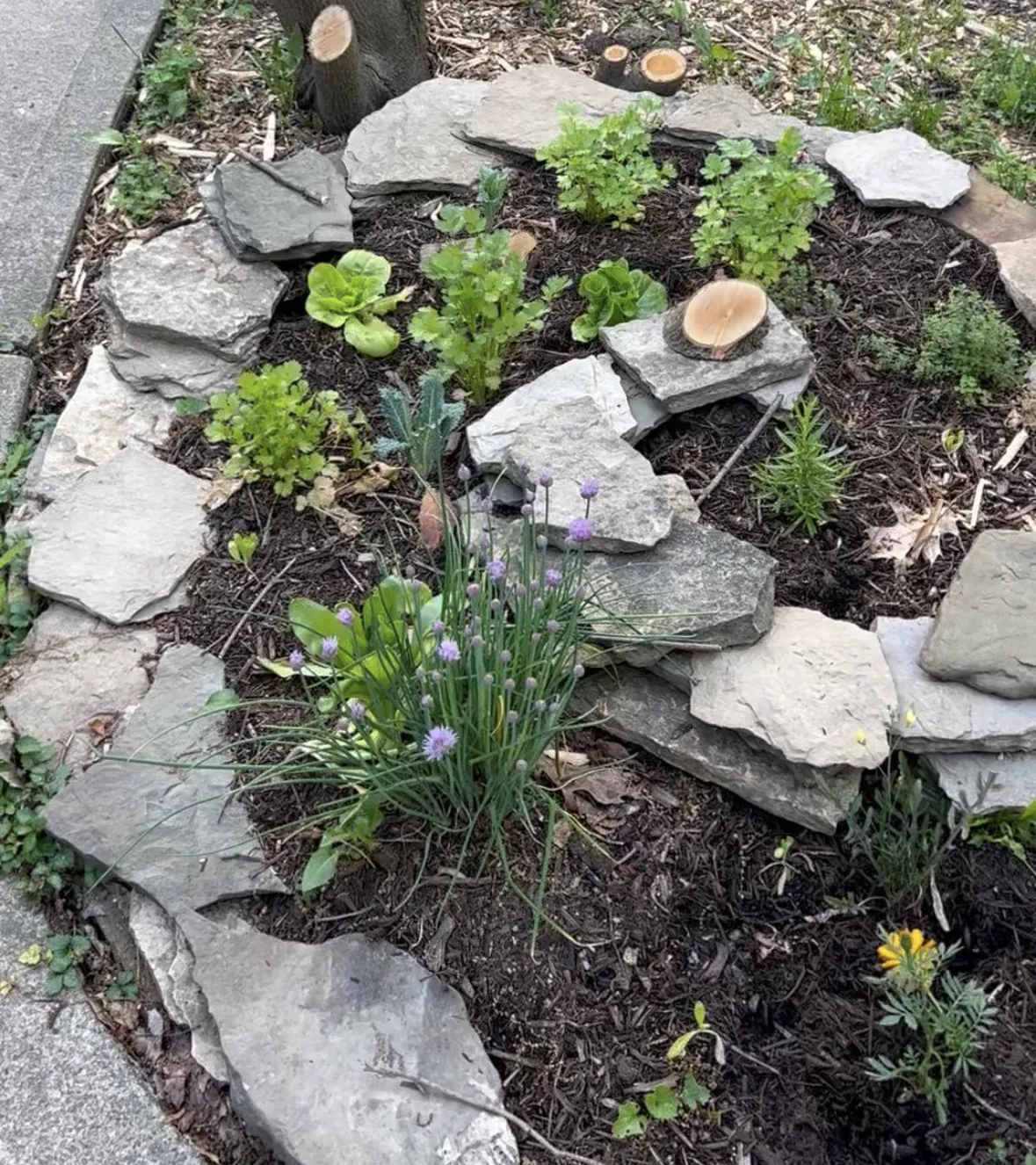
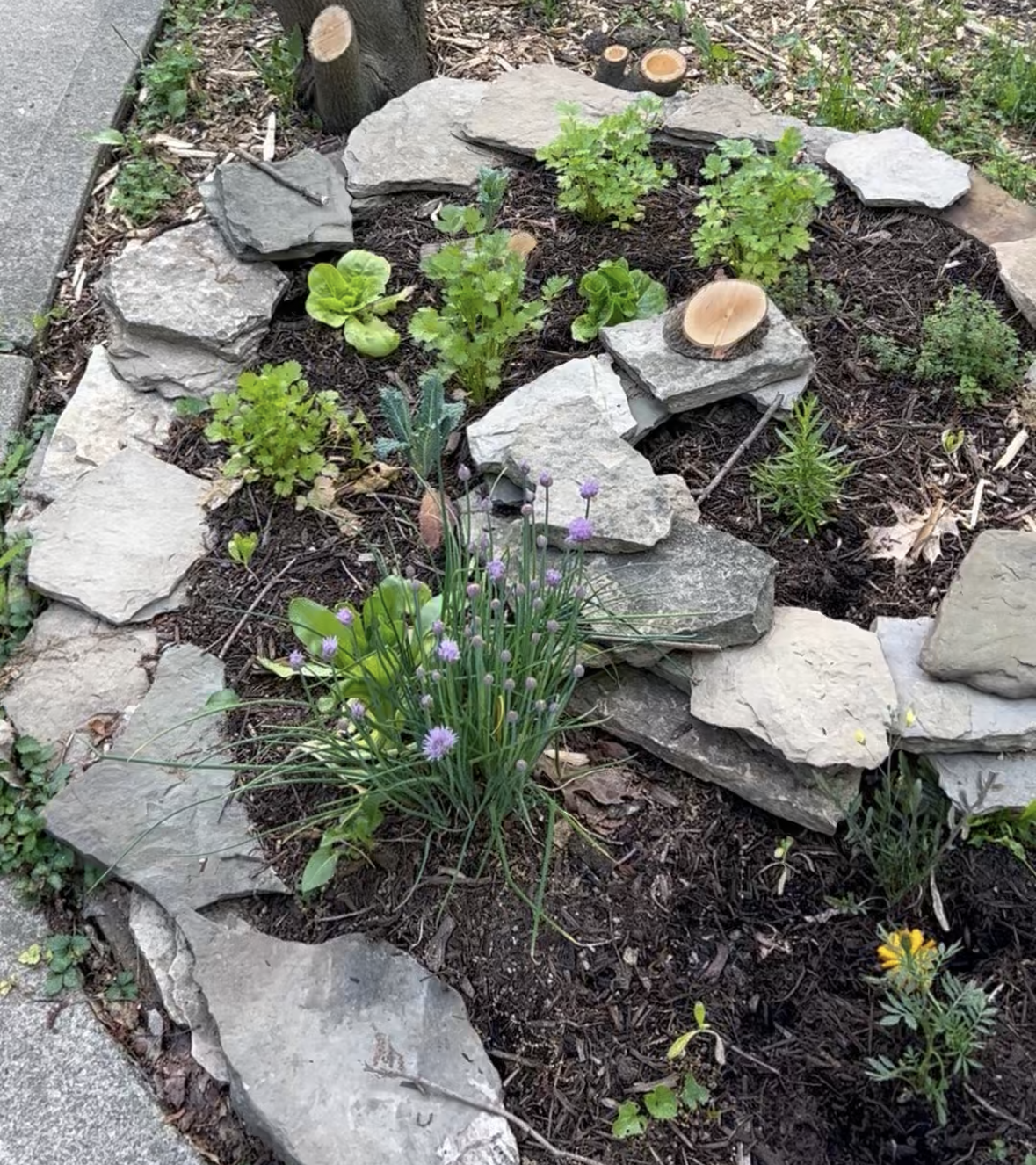
This is the idea behind what I've started calling a living nursery: A garden designed intentionally to produce not just food or beauty, but also future plants.
A living nursery deliberately includes species that spread, divide, self-seed, or otherwise create new planting material. Seeds are absolutely an important component, but emphasis is placed on species and methods of propagation that are less labor-intensive than seed starting often is.
The result is more than a productive garden. It's a garden capable of starting other gardens.
The plants below are some of my favorite beginner-friendly examples!
1. Walking Onions
How it makes more plants: Bulblets
The poster child for a living nursery.
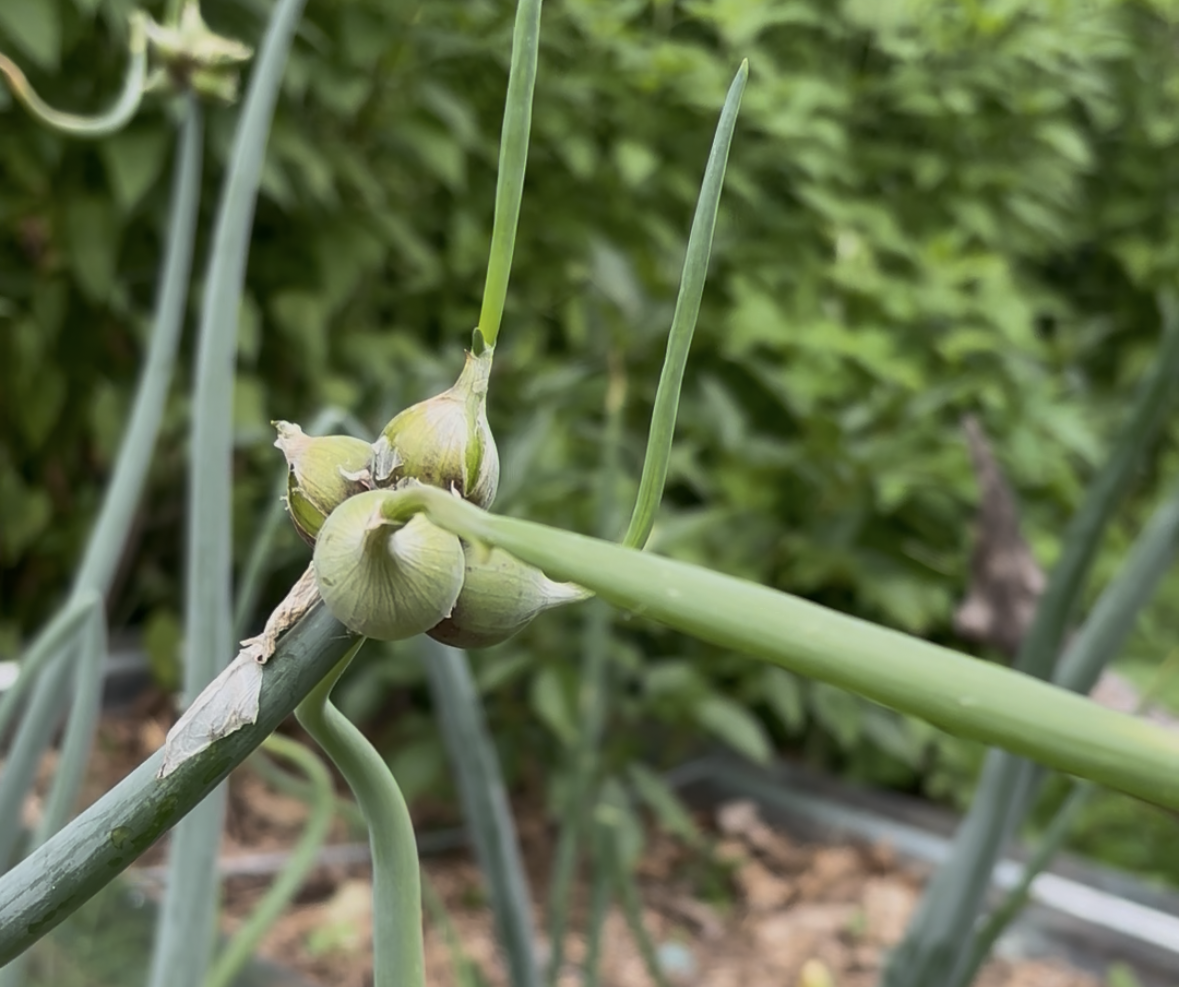
Instead of flowers and seeds, walking onions produce clusters of tiny onions (called bulblets) at the top of their stalks. As they mature, the stalk bends under the weight and the bulblets can root into the ground, creating new plants.
An established patch of just eight plants could produce dozens of bulblets each year, making it easy to expand your own planting and still have plenty to share.
Walking onion bulbs are significantly smaller than most annual onions (think more "shallot sized") and they are not built for storage. But their resilience, edible greens, perennial regrowth, and ability to duplicate themselves make them a worthy garden addition.
2. Sunchokes
How it makes more plants: Tubers
Sunchokes, native to much of eastern North America, are beautiful late-season flowers that keep on giving through an abundance of edible tubers.
One tuber can become a patch. A patch can become enough tubers to feed people and start new patches elsewhere.
When harvesting, simply set aside a few tubers for sharing. Before long, you'll likely have more planting material than you know what to do with.
Just be sure you actually want a patch before planting them. Sunchokes are generous, but they rarely respect boundaries.
3. Strawberries
How it makes more plants: Runners
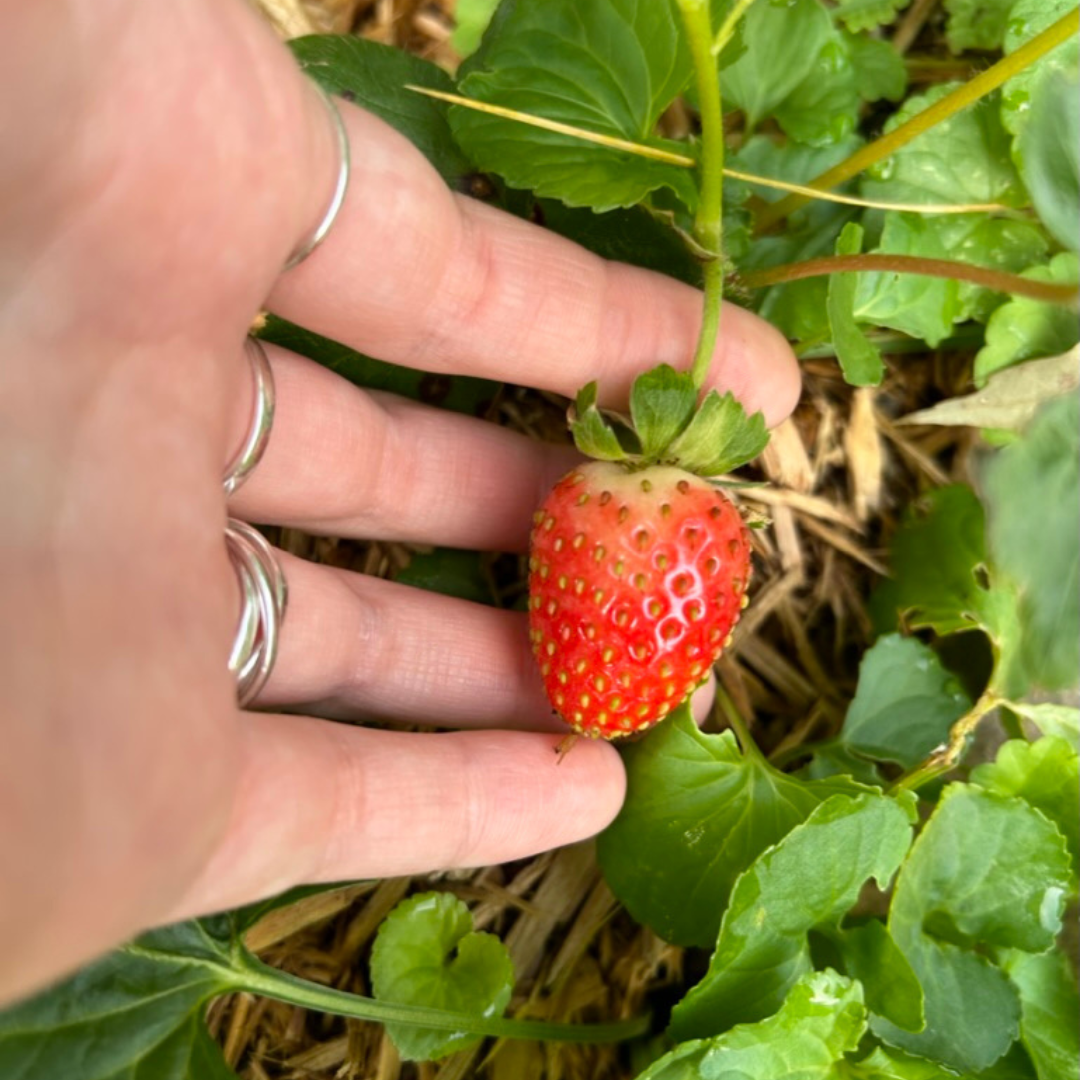
Perhaps the easiest edible groundcover to share! Both garden strawberries and native strawberries (specifically Fragaria virginiana) send out runners that root into new plants.
A single healthy planting can generate an impressive quantity of daughter plants that can be dug, potted, and given away.
4. Chives
How it makes more plants: Division
It's so convenient that chives naturally grow into larger and larger clumps over time, because I love placing them around the garden as a minor aromatic confuser to pests.
You can dig up and divide entire plants or just hack off a chunk. If you take good care of them, the chives probably won't mind.
5. Hostas
How it makes more plants: Division
Most people think of hostas as ornamentals, but they're also an edible perennial vegetable!
The spring shoots taste similar to asparagus, and the flowers make a nice stir fry addition.
As the plants mature, they form larger clumps that can be divided into multiple new plants. I am pretty lazy when it comes to babying transplants, but fortunately, hostas have stuck with me through it.
6. Rhubarb
How it makes more plants: Division
This long-lived perennial vegetable gradually grows into larger crowns that can be split into multiple plants. Dig the crowns up in spring or fall to divide and replant.
While rhubarb might be less prolific than many of the plants on this list, it is resilient and low-maintenance once established in ideal conditions. Definitely worth the soil real estate.
7. Wild Ginger & Mayapple
How it makes more plants: Rhizome Division
Shady garden plant alert :)
Wild ginger and mayapple are native woodland plants with edible parts. For mayapple, it's the little fruit (the "apple"!) ONLY when it is fully ripe. For wild ginger, the roots can be used in moderation as a tea.
These native woodland edibles spread underground through rhizomes.
Over time, you can "harvest" from established patches to spread these plants to new areas.
8. Mint & Oregano
How it makes more plants: Division and Cuttings
Beloved culinary herbs—but beware of the spread.
Oregano is more benign than mint but will eat up space over time. Mint, planted directly in the ground without a root barrier... good luck to you.
Both plants root readily by tossing a cutting in some water, and they don't mind having a chunk dug up if you want a more substantial plant to share.
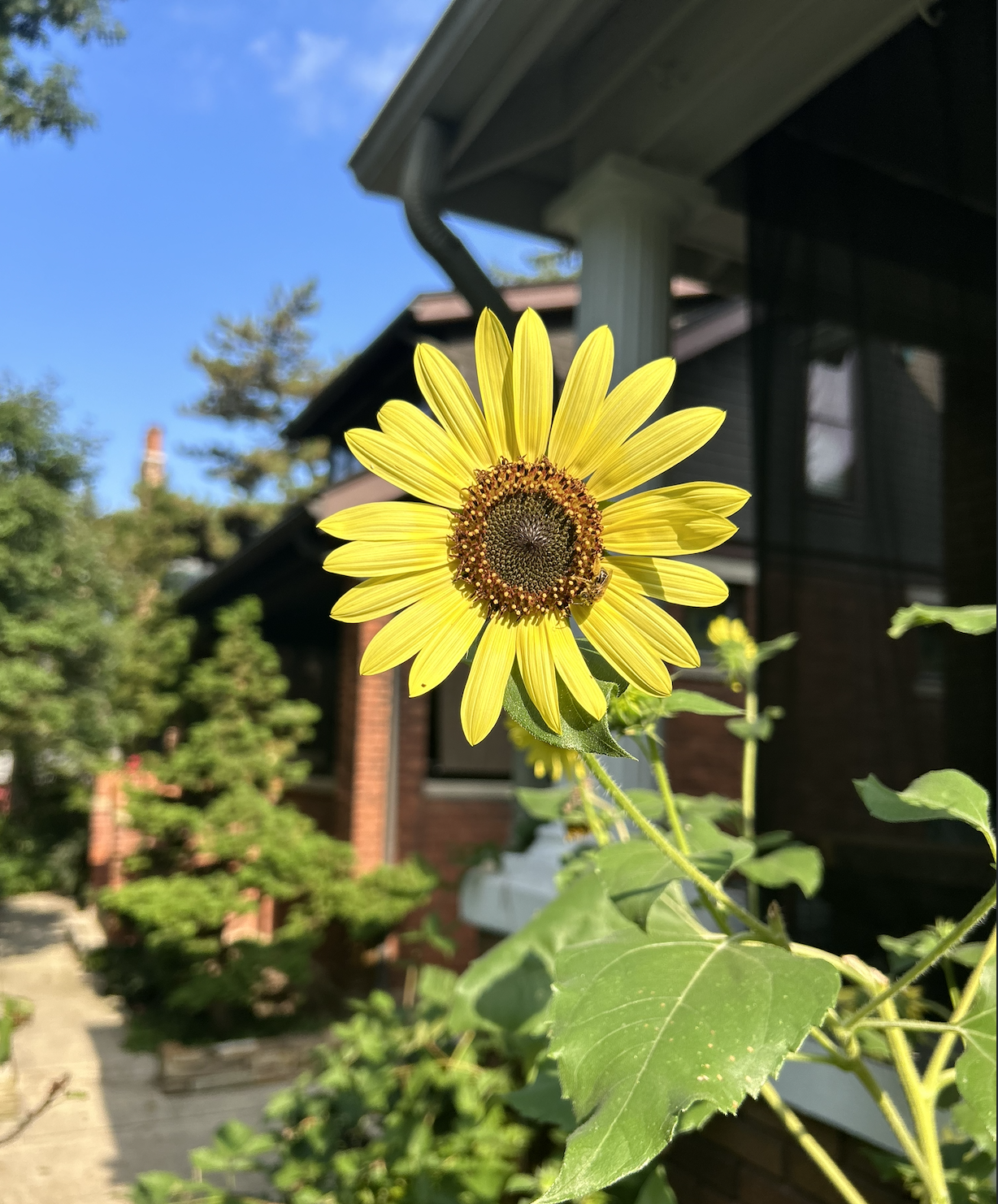
9. Sunflowers
How it makes more plants: Self-Seeding
Sunflowers have so many edible parts, from the seeds to the young sunflower heads to the pith that fills the stalk.
Allow a few flower heads to mature and not only might you attract goldfinches, you'll often find volunteer seedlings popping up the following year.
You can transplant these volunteers as they pop up or collect seed in the fall to share with others.
10. Cherry Tomatoes
How it makes more plants: Self-Seeding
Cherry tomatoes can get straight-up weedy.
I've had to fight my battles with tiny tomato thickets because even if you harvest regularly, a handful of fruits will inevitably drop to the ground and replant themselves.
Plant a few cherry tomatoes and then keep an eye on that spot the following year. You're likely to have quite a few popping up. Pot them up and give generously :)
But wait! Don't f*%& up the ecosystem!
Living nurseries can be a powerful way to build community, spread food-growing skills, and increase local resilience.
But plant sharing also comes with responsibility. Moving plant matter can spread diseases to other gardens, as well as invasive organisms like jumping worms that reside in the soil.
To minimize risk, a few key practices:
1. Know what you're growing.
There are some plants that are legally restricted because their movement or planting can harbor disease or other ecological damage. Others are particularly susceptible to diseases in certain regions.
Choose the plants you share carefully.
2. Share happy plants.
If it looks sad or diseased, don't give it away. That can indicate an infection or infestation.
3. Keep it local.
Living nurseries are not intended to grow plants to be shipped across regions.
If you share with a nearby gardener, you're much more likely to already be dealing with the same ecosystem, pests, and diseases than if you ship plants across the country.
A living nursery is not just a collection of plants.
It's a way of creating abundance that spreads through relationships.
A walking onion bulblet, a strawberry runner, or a sunchoke tuber may seem small, but each one carries the potential to become a garden of its own.
My heart gets warm fuzzies thinking about how a neighborhood could be transformed by a handful of generous gardeners armed with cuttings, divisions, and roots aplenty.
Good luck to you. ❤️
